Two infrastructures captured by incentives
Social media now governs adolescent belonging; Austin now games public schooling—both outcomes are predictable when we outsource development to systems optimized for attention, power, and leverage.

Eds. Note: Whether you’re new here or have been around since 2020, please take a moment to read my updated About page, which explains the name — and focus — change of this Substack.
For years, the conversation about kids and social media has been framed as a binary: use is bad, abstinence is good. That framing is emotionally satisfying, and increasingly inaccurate.
My latest Dallas Morning News column examines new research published in JAMA Pediatrics that disrupts both camps. The findings don’t absolve platforms or vindicate parents who have thrown up their hands. They reveal something more uncomfortable: social media has crossed the threshold from optional entertainment to social infrastructure for adolescents, carrying real costs at both the extremes and, in some cases, for non-participation itself.
This is not a defense of platforms. It is an argument for precision—about exposure, incentives, and the developmental reality parents are navigating whether they like it or not.
Below is the full column as published in the Dallas Morning News. It reflects a position I’ve held for more than a decade, sharpened by new evidence and by what parents are now seeing up close: the problem is not whether kids touch social media, but how much, when, and at the expense of what else.
A new study published in JAMA Pediatrics complicates the way we talk about kids and social media. Researchers found a “Goldilocks” pattern: adolescent well-being was lowest at the extremes — heavy use and no use at all — and highest in a middle range of moderate use.
Among younger girls in grades 4-6, well-being was highest with no social media use. For girls in grades 7-12, moderate use correlated with better outcomes than either abstention or heavy use. Heavy use, across age groups, consistently aligned with negative well-being markers. Boys showed a slightly different pattern: little difference between no use and moderate use in grades 4-6, but signs of declining well-being among boys in grades 7-12 who did not use social media at all.
Taken together, these findings say less about the benefits of social media than about how deeply it has embedded itself into adolescent life. When non-participation itself carries costs, parents and critics — myself included — have to grapple with a harder truth: These platforms have become social infrastructure, organizing friendships, status and belonging rather than simply entertainment.
Read the full column: Social media use by youth is a complicated affair
I don’t trust Texas Republicans on education
Texans are quick to point west and north when talking about government failure. California. Minnesota. Illinois. Yet while that ritual continues, elected officials in our own state are advancing policies that threaten to hollow out one of the few institutions Texas is constitutionally obligated to maintain: public education.
What’s unfolding in Austin is not a debate over marginal reform or administrative efficiency. It is a power struggle over control, funding, and responsibility—one that treats public schools as a disposable political instrument rather than civic infrastructure serving more than five million children. The danger is not abstract. The consequences would be immediate, cascading, and impossible to contain.
My friend and fellow Dallas Morning News columnist Glenn Rogers confronts this head-on, refusing the euphemisms and forcing the argument to its logical conclusion.
Rogers: Go ahead; close public schools
Gov. Greg Abbott is following up his scorched earth removal of pro-public education Republican legislators with a plan to eliminate school property taxes, a move that could effectively dismantle the public school system as it currently exists.
The endgame for the theo-oligarchs who control Texas state politics is complete dominion over what they call the Seven Mountains: family, religion, education, media, entertainment, business and government. Dominion over the education mountain is top priority and requires privatization and elimination of Texas public schools.
But I have a few questions.
First, if public education is as irredeemably broken, wasteful, ideological, incompetent and dangerous as some politicians insist, why not pull the plug now? Not a slow and gradual death, but overnight closure of every public school. Just shut the doors.
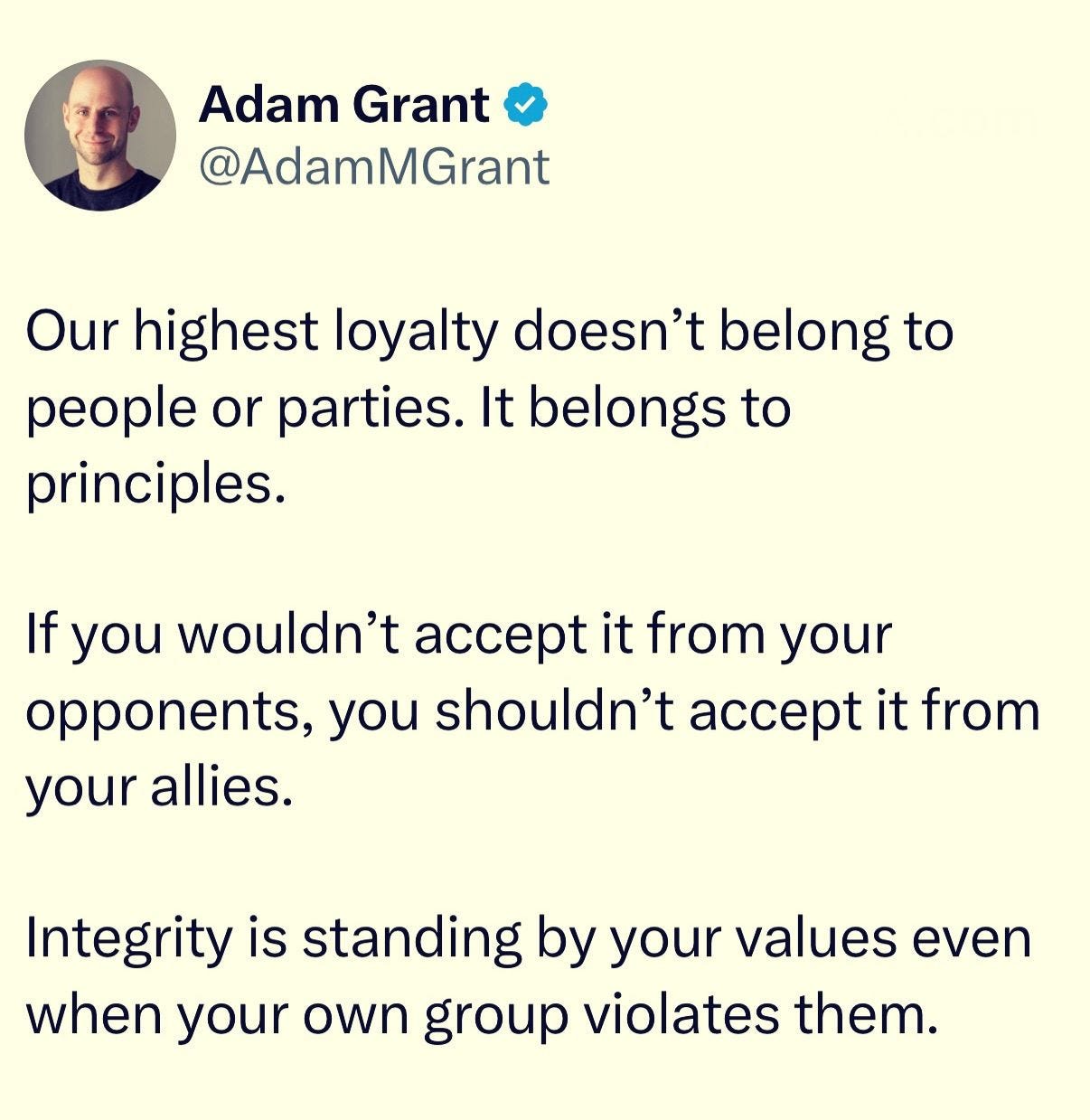
Quote of the week